Personalized, evidence-based mental health treatment for women in a private, residential setting in Natchitoches, Louisiana. Treating the condition and the person behind it.
Women are nearly twice as likely as men to experience anxiety disorders and significantly more likely to develop PTSD following a traumatic event. Depression affects women at higher rates than men across all age groups, with hormonal transitions, caregiving responsibilities, and higher rates of interpersonal trauma all contributing to that disparity.
Women also tend to internalize mental health struggles differently than men, carrying them quietly and continuing to function in their roles as mothers, partners, daughters, and professionals long past the point where the weight has become unsustainable. By the time many women seek residential mental health treatment, they have been managing their symptoms alone for years.
A program designed for women recognizes all of this. The group work, the therapeutic modalities, the clinical structure, and the physical environment at Magnolia Belle are built around the specific ways mental health conditions present, progress, and heal in women.
Our clinical team at Magnolia Belle provides residential treatment for a broad range of mental health conditions in women, including those that present alongside substance use disorders. Conditions we treat include:
Every woman's mental health treatment plan at Magnolia Belle is built from a thorough clinical assessment and delivered by a consistent team that includes a primary therapist, a psychiatrist, and specialized clinicians selected based on her presenting needs. Treatment is individualized and adjusted throughout the program as her clinical picture evolves.
Our therapeutic toolkit is deliberately broad because different women need different approaches, and because the clinical literature is clear that matching the modality to the presenting condition and the individual produces better outcomes than defaulting to a single approach.
A widely validated approach for anxiety, depression, and a range of other conditions. CBT helps women identify the thought patterns and behavioral cycles that maintain their symptoms and build practical strategies to interrupt them.
Originally developed for borderline personality disorder, DBT is now recognized as one of the most effective interventions for emotional dysregulation across a range of presentations. It teaches concrete skills in distress tolerance, emotional regulation, mindfulness, and interpersonal effectiveness.
An evidence-based trauma processing modality that helps reduce the emotional intensity and intrusive symptoms associated with traumatic memories. Particularly effective for PTSD and complex trauma presentations.
A model of therapy that helps women understand and work with the different internal parts of their experience, including the critical voice, the protector, and the wounded inner self, with the goal of developing a more integrated and compassionate relationship with their own inner world.
Structured practices that develop present-moment awareness, reduce stress reactivity, and build the capacity for self-observation that underpins many other aspects of therapeutic change.
Therapies that address the ways trauma is held in the body as well as the mind, including somatic experiencing and trauma-sensitive movement practices integrated into the daily program.
For women whose mental health challenges are deeply rooted in longstanding relational patterns and early experience, exploratory insight-oriented approaches provide a depth of understanding that skills-based therapies alone cannot always reach. Psychiatric evaluation and ongoing medication management are provided through the collaborative efforts of our Nurse Practitioner, Torrie Creel, PHNP-BC, who manages daily clinical oversight, and our Medical Director, Dr. Jose Artecona, M.D., who is board certified in both psychiatry and addiction medicine.

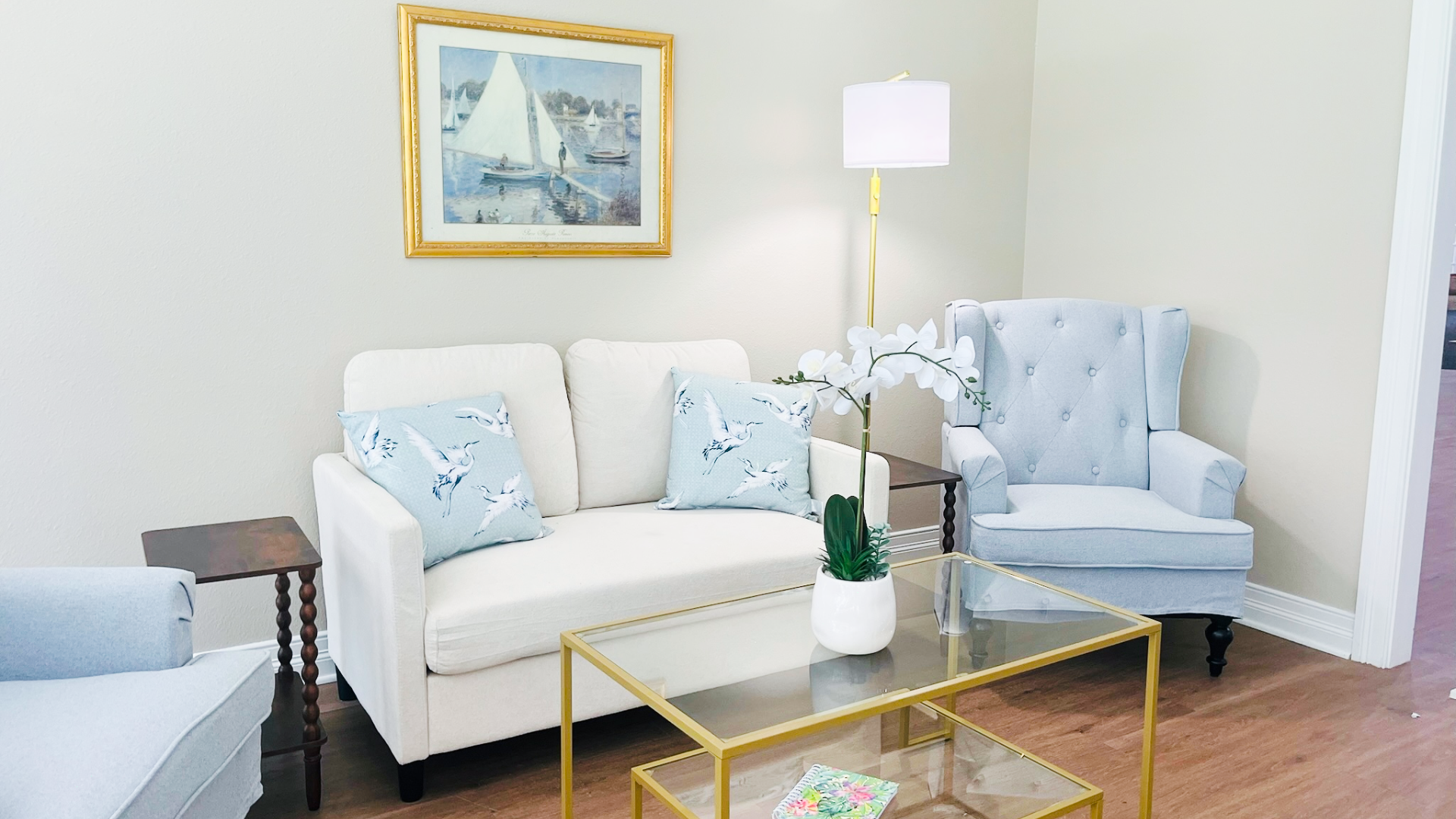
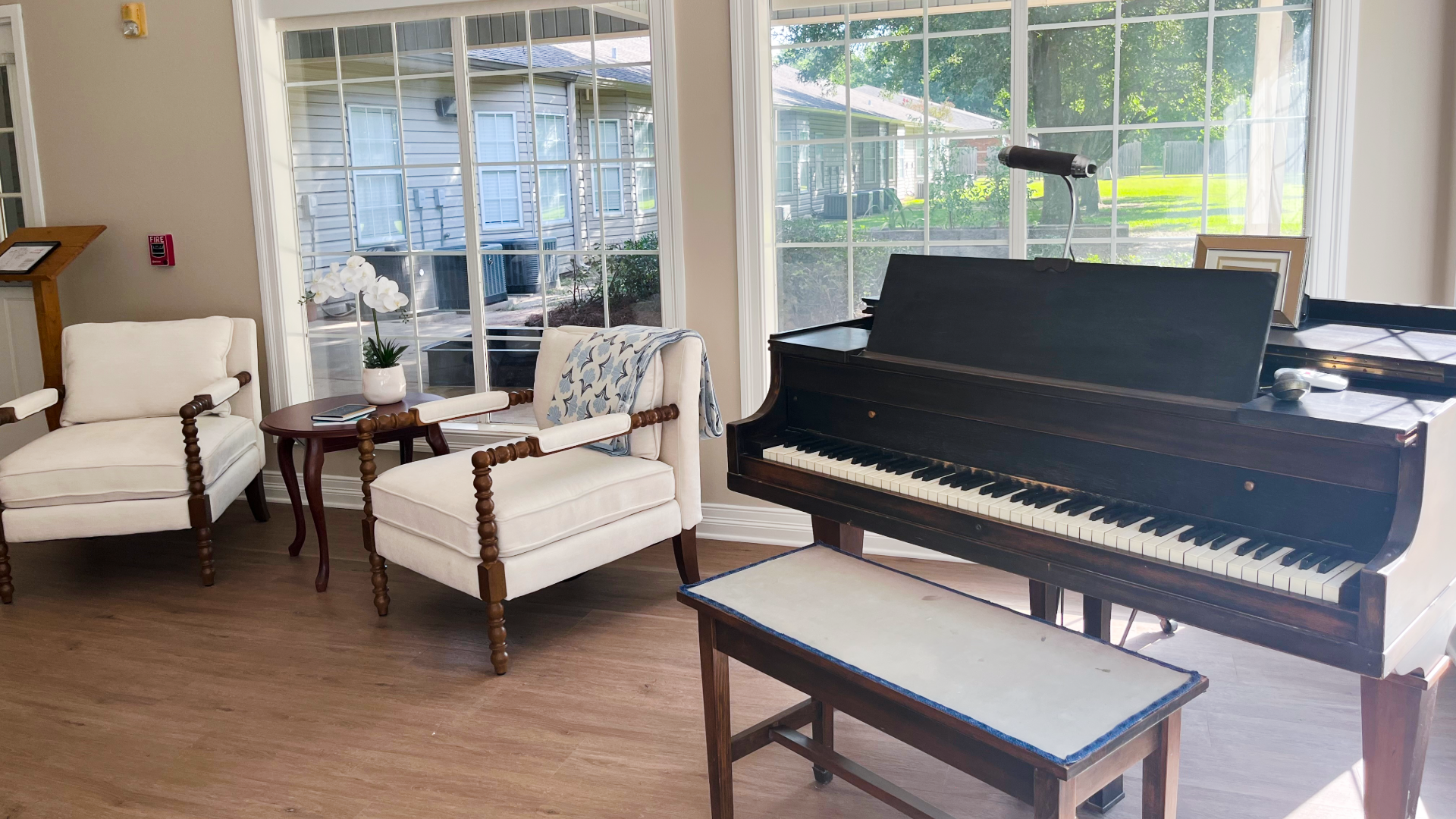
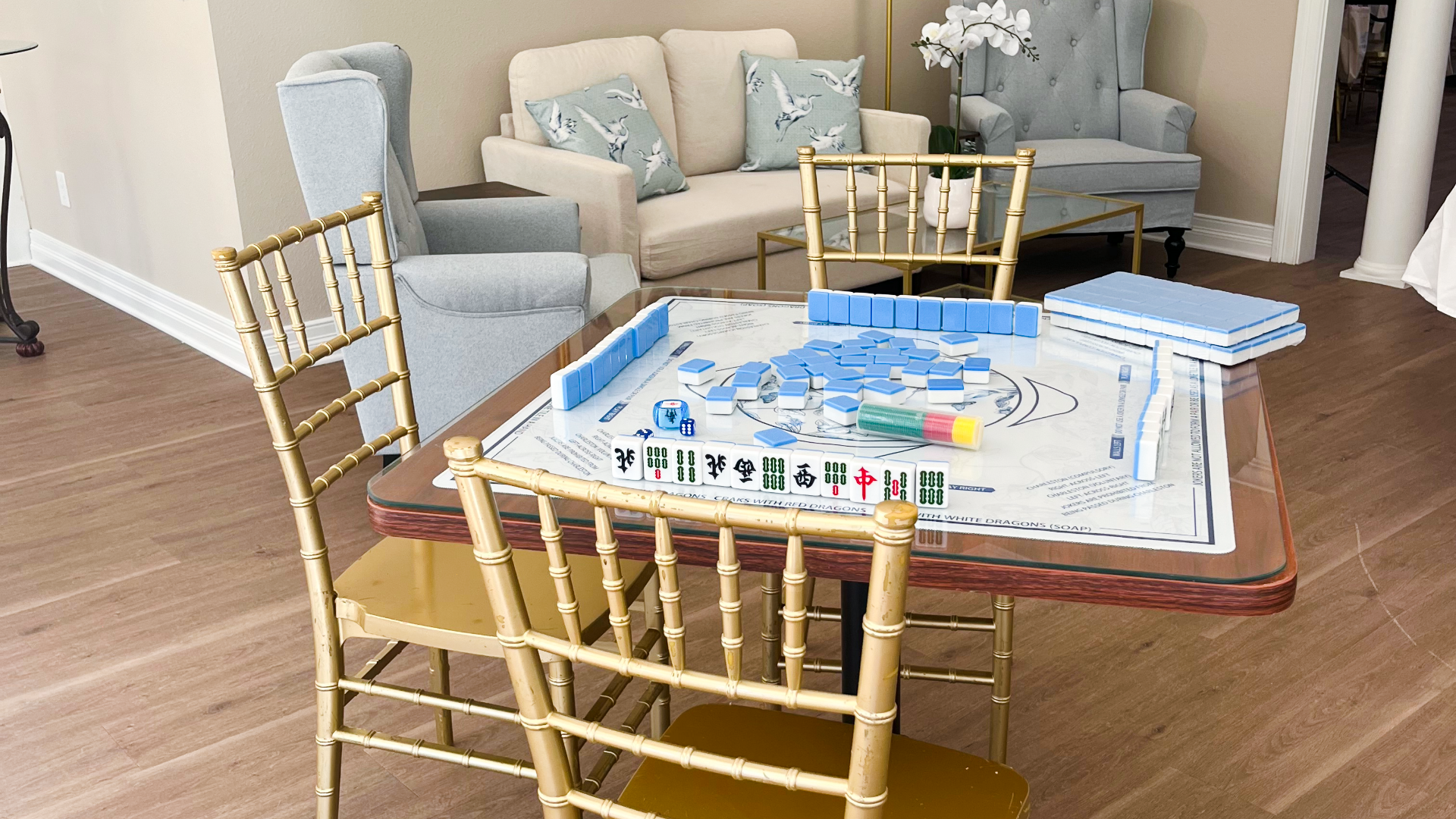
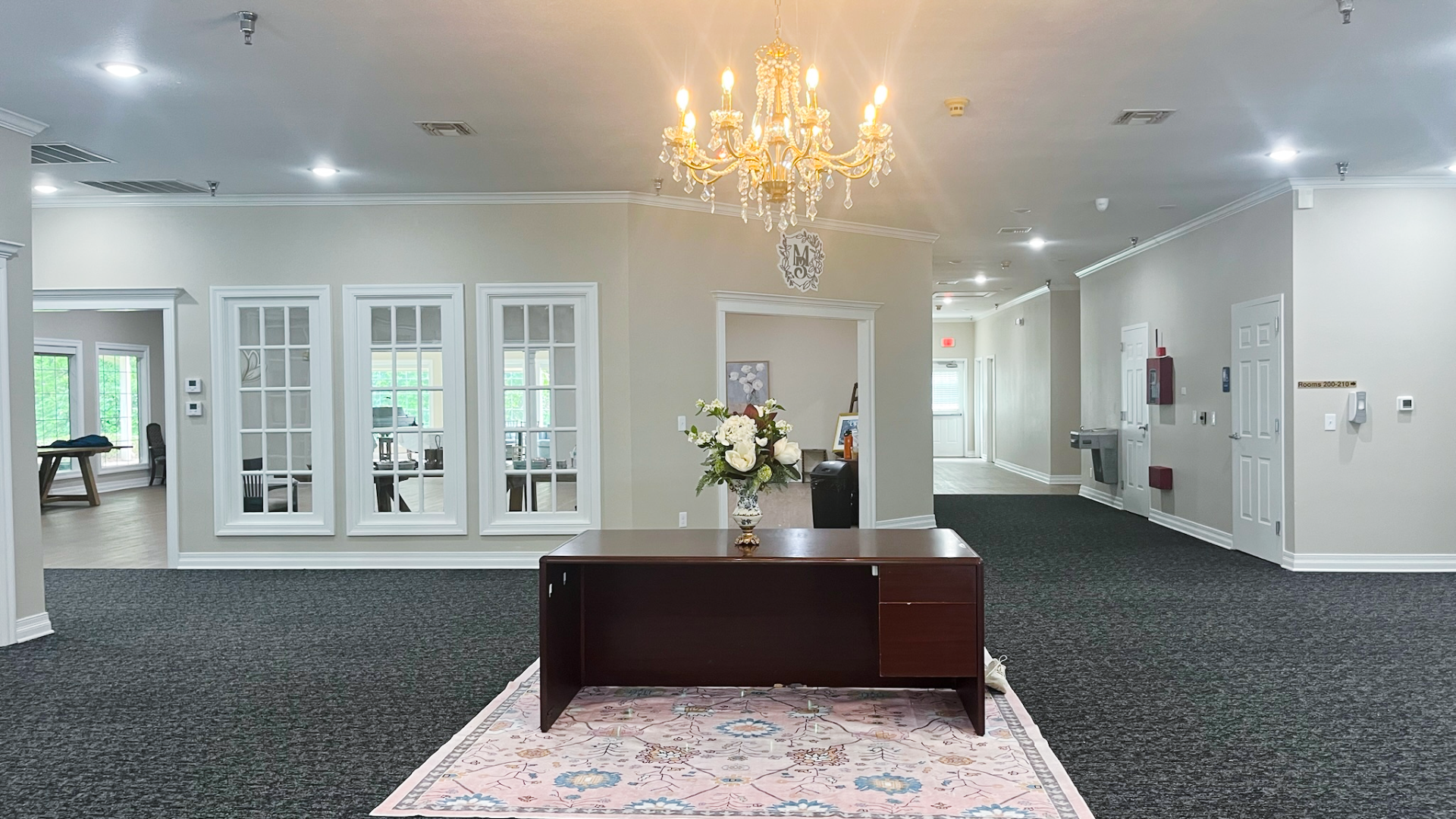
The physical environment of a treatment program matters. Noise, lack of privacy, shared spaces, and institutional settings all create ambient stress that works against the therapeutic process.
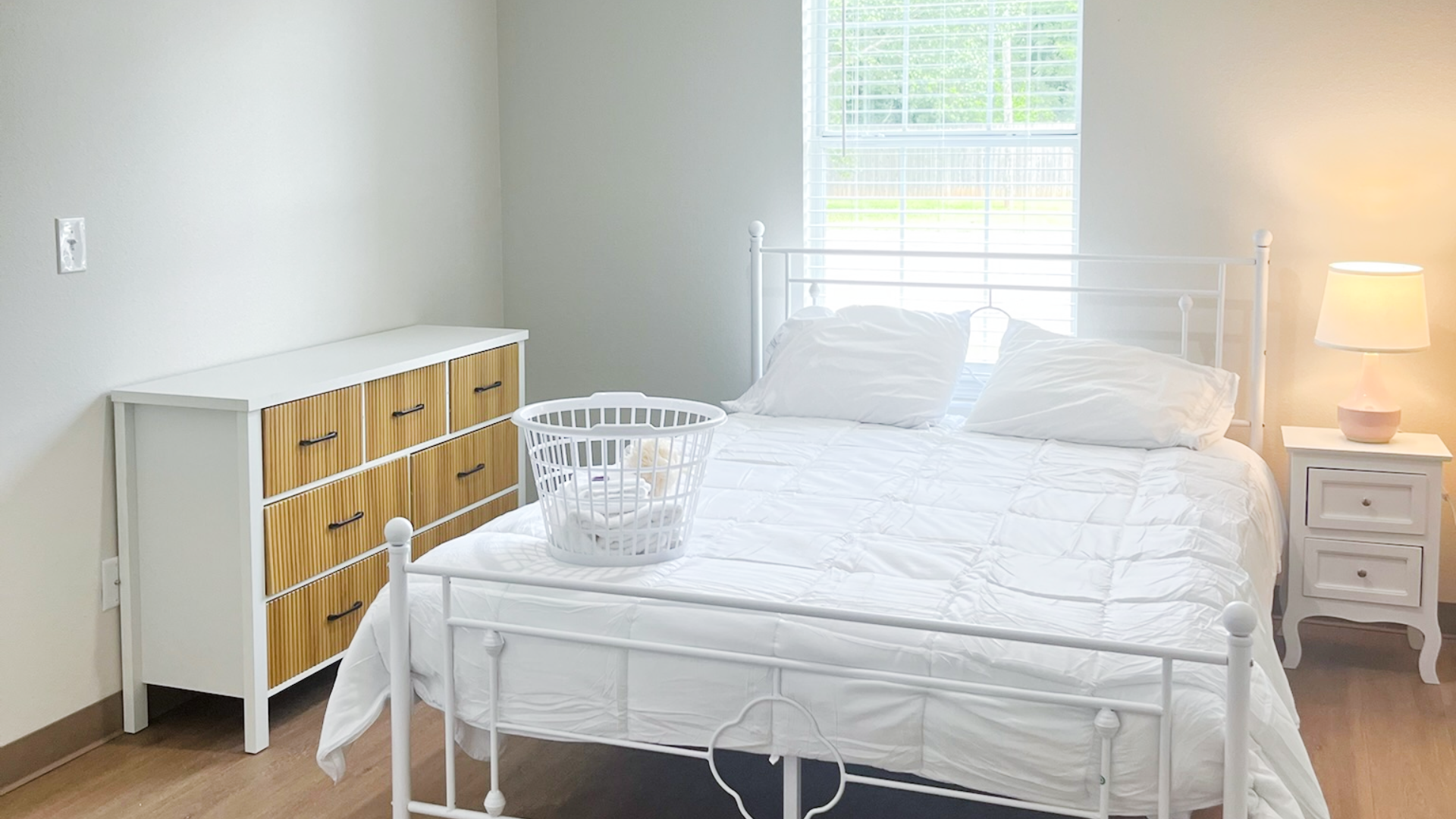
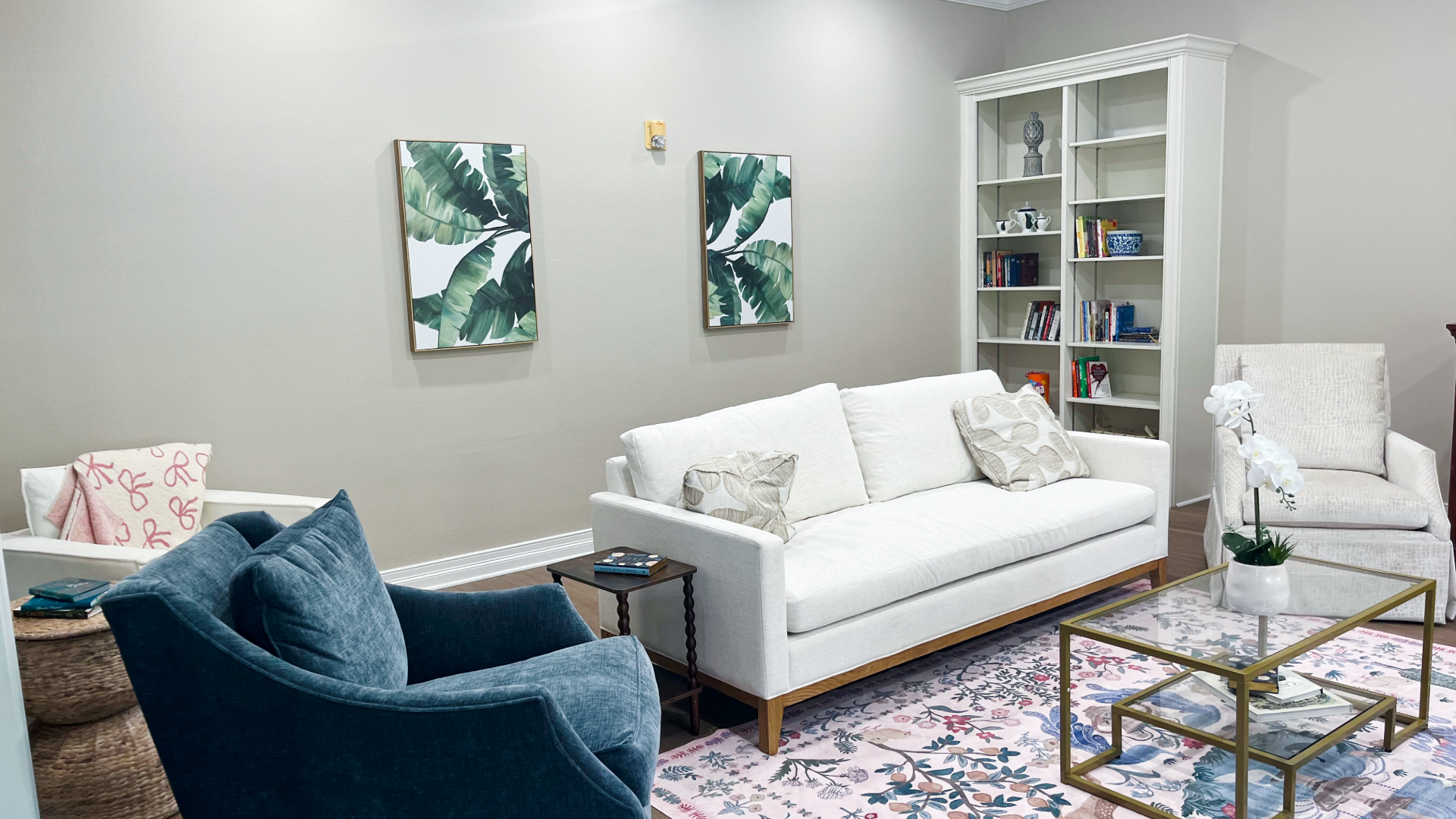
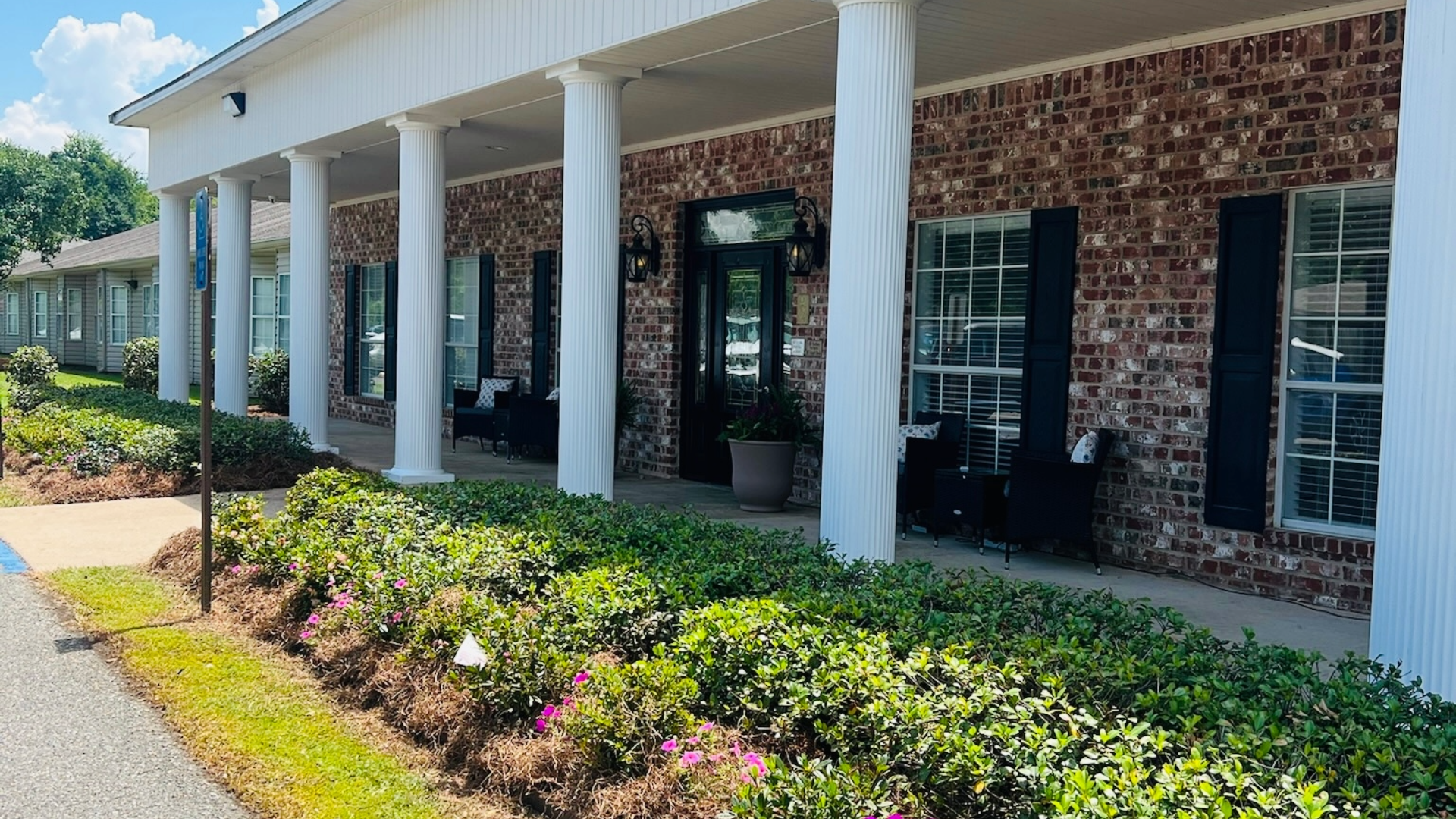
Magnolia Belle was designed with that in mind. Every woman in our program has her own private suite with a bedroom, private bathroom, living area, and closet. For many women, this is the first time in years they have had personal space to decompress, reflect, and simply exist without performing or managing the needs of others.
Beyond the physical space, the daily program integrates wellness services that directly support mental health. These include nutritional counseling with our in-house chef and nutritionist, structured fitness programming with our personal trainer, yoga and mindfulness practice, and access to massage therapy. In-house salon services are also available, reflecting our belief that feeling cared for at a physical level is part of what healing looks like, not a distraction from it.
The 30-day treatment model is a cultural convention rooted in administrative history rather than clinical science. It does not reflect what neuroscience tells us about how long the brain actually needs to stabilize, rebuild neural pathways, and develop the new cognitive and emotional patterns that support lasting wellness.
The science tells us that treatment episodes of less than 90 days have limited effectiveness for most people, and longer durations are associated with significantly better outcomes. At Magnolia Belle, our program length recommendations are guided by that evidence rather than by convention. We work with each woman's clinical team and insurance coverage to support the length of stay that gives her the best clinical foundation for the life she is returning to.
For many women, unresolved trauma is the root cause driving both mental health symptoms and substance use. Anxiety, depression, emotional dysregulation, and persistent feelings of shame or worthlessness are frequently the downstream effects of experiences that were never adequately processed.
At Magnolia Belle, our trauma-informed approach ensures that every aspect of the treatment environment, from individual therapy to group work to the physical space itself, is oriented around safety, dignity, and the conditions that allow healing to happen.
Anxiety disorders are the most common mental health condition among women, followed closely by depression. Women are nearly twice as likely as men to experience generalized anxiety, panic disorders, and PTSD, with hormonal factors, higher rates of trauma exposure, and social stressors all contributing.
Program length is individualized based on clinical assessment. While 30-day programs are common, research indicates the brain needs a minimum of 90 days of sustained intervention to produce lasting change. Our team recommends a length of stay based on each woman's specific clinical needs and works with her insurance to support that recommendation.
Yes. The majority of women in our program are navigating both a mental health condition and a substance use disorder. We treat both simultaneously within an integrated treatment plan.
Yes, without exception. This is a foundational clinical decision that creates the psychological safety essential for meaningful mental health work.
Most major insurance plans cover residential mental health treatment. Our admissions team will verify your specific benefits quickly and at no obligation.
If you are curious about what relief and recovery could look like for you, give us a call.
1907 South Dr, Natchitoches, LA, 71457